
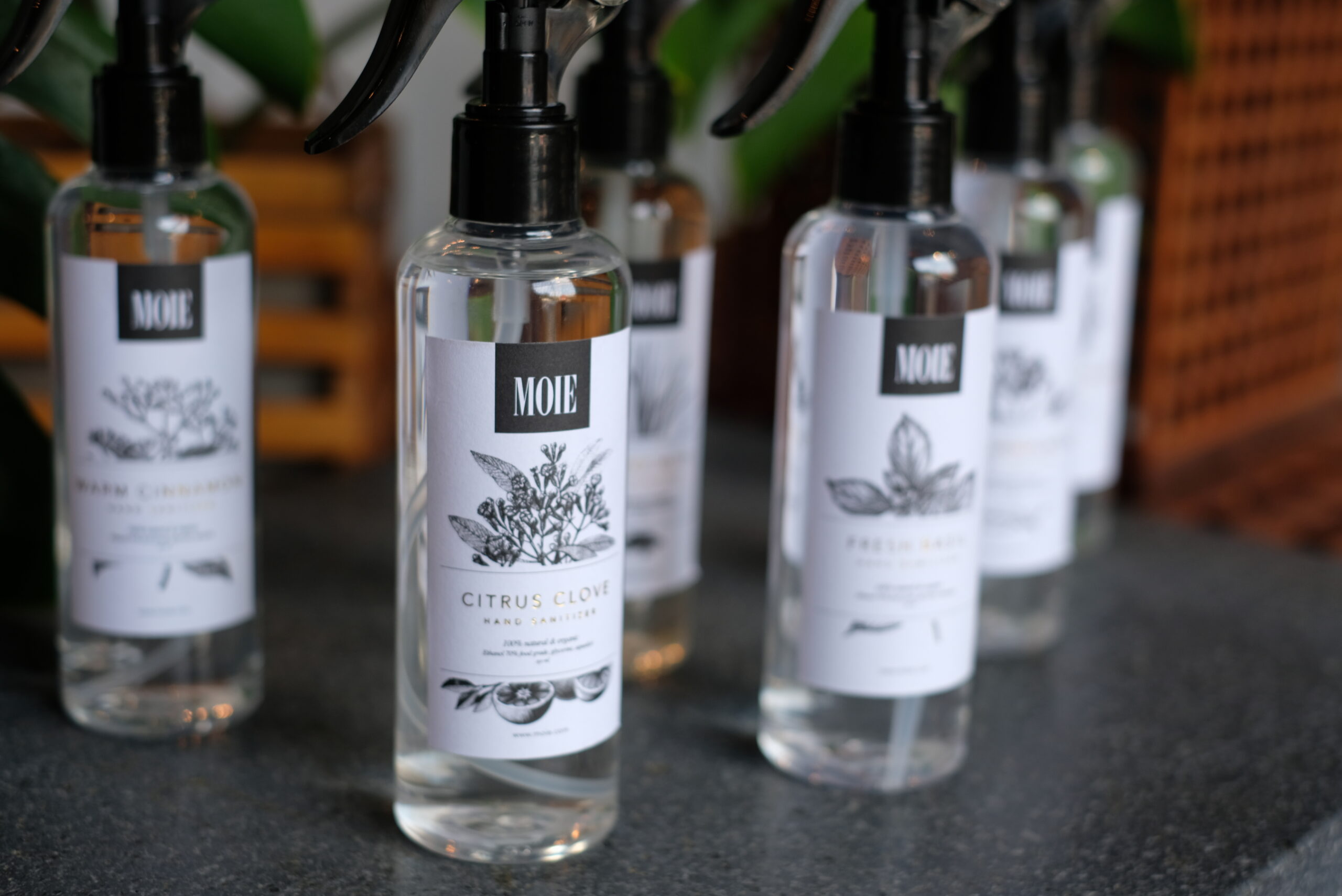
VETIVER MUSK

Earthy, eclectic, and exotic. Originated from a perennial grass native to the tropical regions in Asia, vetiver gives off fresh, warm yet cooling, woody, earthy, and balsamic notes. Its deep and musky aroma has come to be associated with masculine cologne.
Vetiver’s earthy, exotic aroma can help promote a nostalgic, calm, relaxing atmosphere. Inspired by Ancient Chinese beliefs, Vetiver is used in traditional medicine to soothe and replenish dry skin, to balance the emotions, to ease negative feelings, to stimulate focus and energize the body, and to calm and cool the body.
WARM CINNAMON
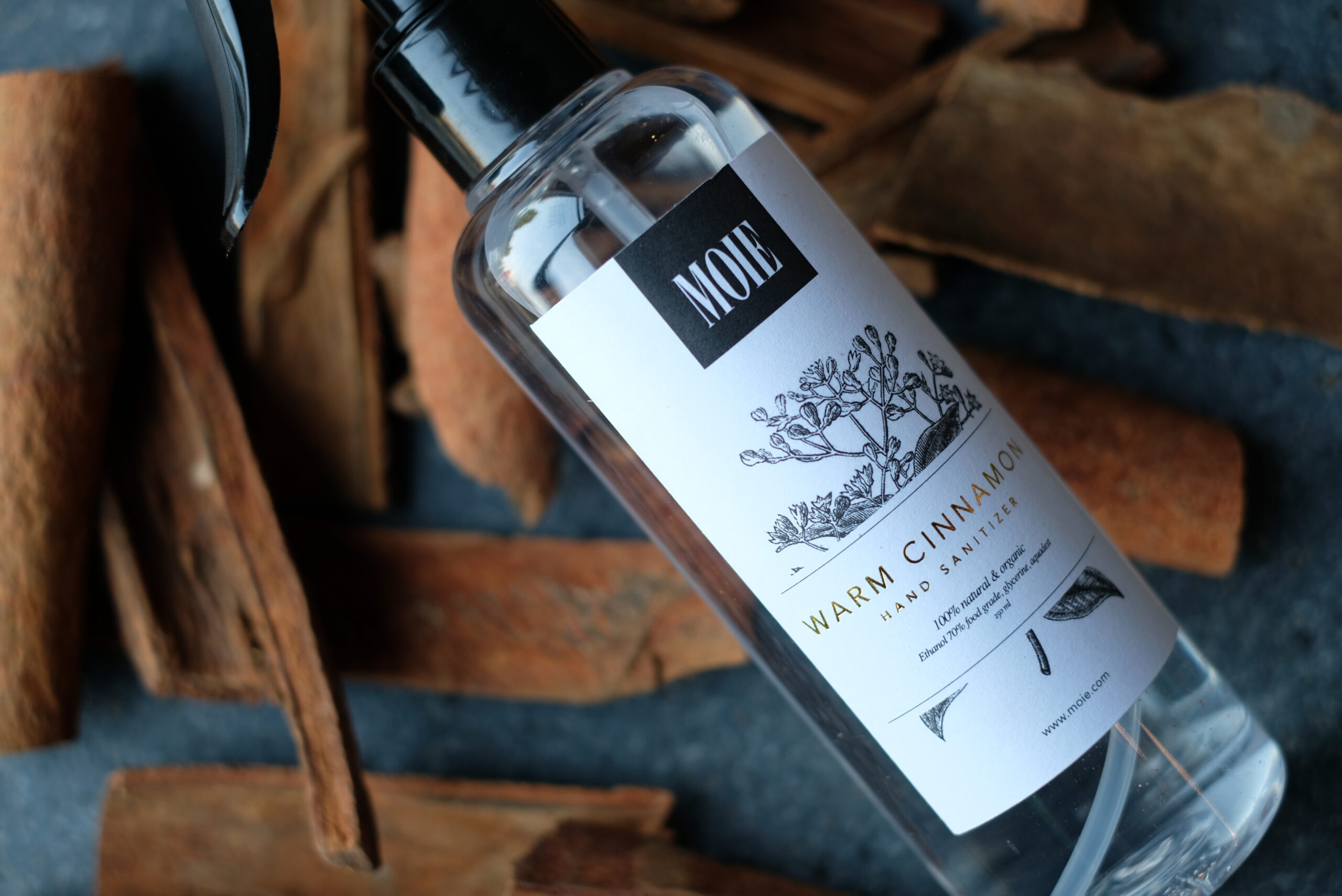
Spicy, woody, warm with a sweet biting note. Cinnamon is derived from a tropical, evergreen tree with highly fragrant bark, leaves, and flowers. Its name is rooted in amomon or qinnamon, the Arabic and Hebraic word for “fragrant spice plant.”
Cinnamon botanical is characterized by its glossy, leathery, oval-shaped leaves, its thick, rust-colored bark that rolls itself into tubes when dried, and for its small white flowers, all of which are deeply aromatic.
Cinnamon scent is a favorite during the rainy season, as its sweet and spicy scent evokes memories of the holidays. Its scent freshens while emitting warm, uplifting, and relaxing aroma that is known to have a therapeutic grounding and soothing effect.
FRESH BASIL
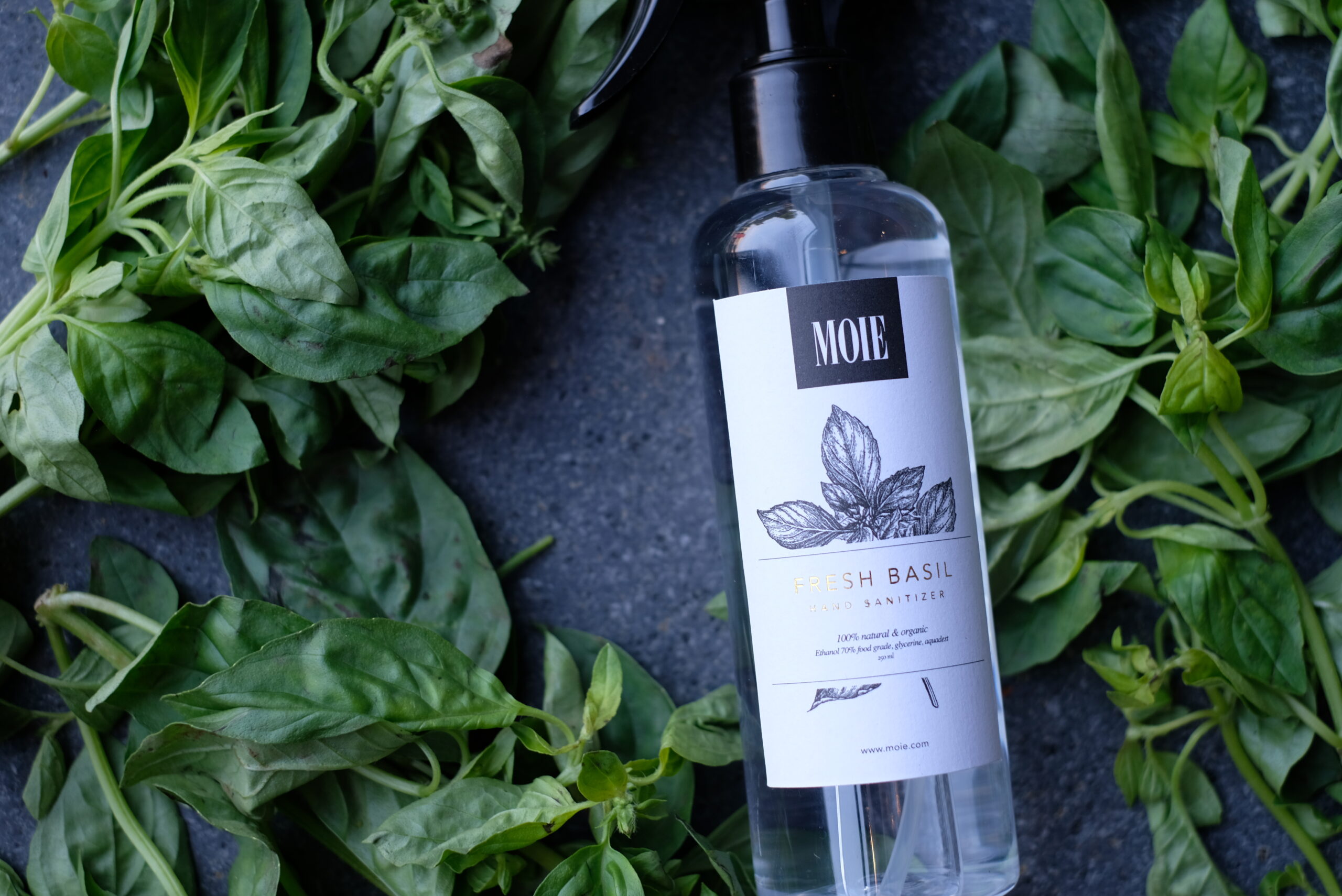
Basil receives its name from the Latin word basilius as well as the Greek word basilikón phutón, which mean “royal plant”. Lemon basil is a hybrid between sweet basil and African basil. The herb is grown primarily in northeastern Africa and southern Asia and known for its fresh, tangy flavor and scent.
Lemon basil is the only basil used in Indonesian cuisine, where it is called kemangi. It is known to emit a warm, sweet, freshly floral, and crisply herbaceous scent that has been described as being airy, vibrant, uplifting, and reminiscent of the scent of a very mild anise flavor with strong notes of citrus.
PAPUA SANDALWOOD
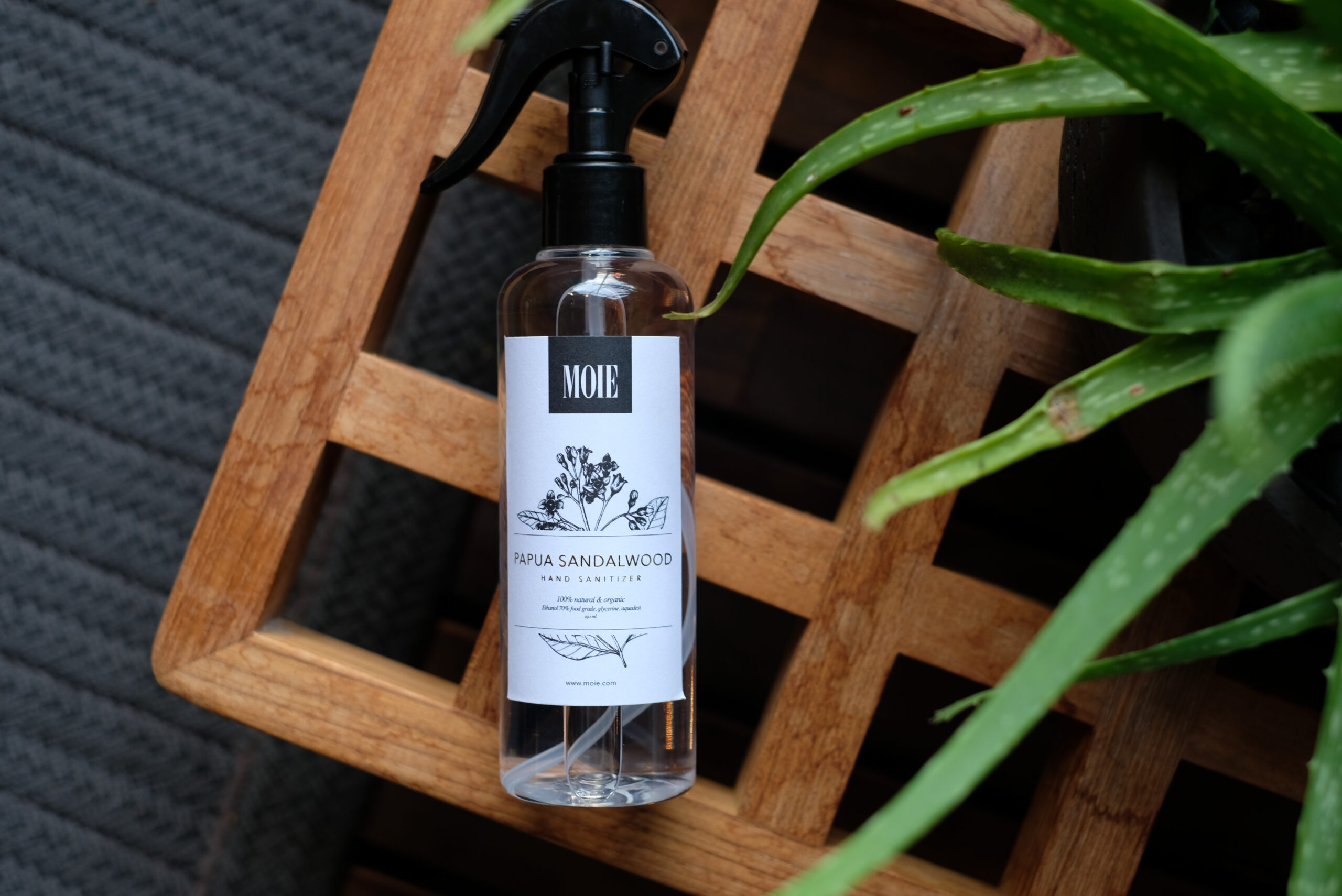
Sandalwood trees are known as highly aromatic woods that can retain their fragrance for several decades. Its distinctive soft, smooth, creamy, and milky precious-wood scent has been enjoyed for many centuries, evoking the allure of the Far Eastern realms of India and Ceylon.
The Hindus may have been the first culture to recognize the properties of sandalwood and use it to create a serene and meditative ambiance while the Buddhists burn sandalwood to transform desires and promote human mindfulness.
TROPICAL LEMONGRASS

Lemongrass is a tall grass that grows in tropical climates. Native to islands in Southeastern Asia, it is a common seasoning in Thai, Indian, Indonesian, and Chinese cuisine due to its citrusy taste and then becomes commonly cultivated as a culinary as well as medicinal herb.
The Lemongrass herb has stalks that are fibrous and smell much like lemons with earthy undertones. Its scent is fresh and light with subtle citrus notes that promote the sensation of being calm. With its strong rejuvenating properties and uplifting nature, it helps revitalize the body and mind.
CITRUS CLOVE

Coveted as a spice down through the centuries because of its warm, sweet, and aromatic essence, clove gets its name from the Latin word clavus, meaning “nail” as the buds of clove resemble small tacks or nails.
Cloves are the dried flower buds of the evergreen clove tree that is native to the Moluccas, which were once known as the Spice Islands, particularly Ambon, where experts believe the oldest clove tree in the world still stands.
Clove trees have been useful for centuries for cooking, perfumes, and other aromatic uses. The clove tree can live up to 100 years and is a member of the myrtle family whose leaves, flowers, and buds are highly aromatic. The fragrance and flavor of clove are reminiscent of home, hearth, and holidays.